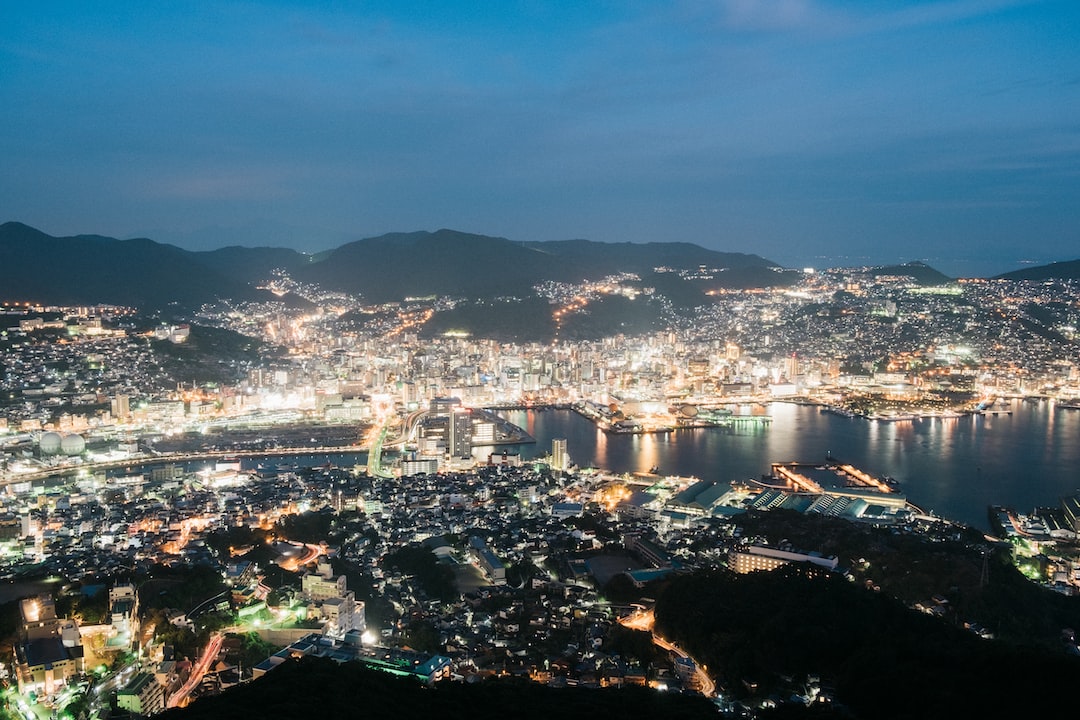
Nagasaki is a beautiful city located in the southwestern part of Japan. It is the capital of Nagasaki Prefecture and is situated on the island of Kyushu. The city is famous for its rich history, culture, and stunning natural beauty. It is also well-known for being one of the two Japanese cities to be struck by atomic bombs during World War II.
History
Nagasaki has a long and fascinating history. The city was founded in the 16th century by Portuguese traders who used it as a port for their ships. At that time, Nagasaki was the only place in Japan that was open to foreign trade. The city grew rapidly and became an important center of trade and commerce.
In the 17th century, Nagasaki became the center of Japanese efforts to learn about the outside world. Dutch and Chinese traders were allowed to establish trading posts in the city, and many Japanese scholars traveled there to learn about foreign cultures and scientific discoveries. This period is known as the “Nanban” or “Southern Barbarian” era.
Nagasaki’s importance as a port continued into the 19th century when it was opened up to Western trade. The city became an important center of coal mining and shipbuilding, and many foreigners came to live there. This period of rapid industrialization saw the construction of many important buildings and landmarks, such as the Glover Garden and the Nagasaki Brick Hall.
However, Nagasaki’s growth came to a sudden halt on August 9, 1945, when the United States dropped an atomic bomb on the city. The bomb killed over 70,000 people instantly and devastated the city. Today, Nagasaki is a symbol of peace, and the city has worked hard to rebuild and promote peace around the world.
Culture
Nagasaki has a rich and diverse culture that reflects its role as a center of foreign trade and exchange. The city’s many historic buildings and landmarks are a testament to its unique cultural heritage.
One of Nagasaki’s most famous cultural traditions is the Nagasaki Kunchi Festival, which takes place every autumn. This festival is a highlight of the city’s cultural calendar and features elaborate performances and processions that showcase Nagasaki’s unique blend of Japanese and Western influences.
Nagasaki is also home to many famous landmarks and museums that showcase the city’s cultural heritage. The Nagasaki Peace Park, for example, is a moving tribute to the victims of the atomic bomb and promotes peace around the world. The Nagasaki Atomic Bomb Museum is another important landmark that tells the story of the city’s devastation and the development of nuclear weapons.
Cuisine
Nagasaki is known for its delicious local cuisine, which blends Japanese and Western influences. One of the city’s most famous dishes is champon, a hearty noodle soup that is loaded with vegetables, seafood, and pork. Another popular dish is kakuni, a savory stew made with tender chunks of pork belly.
Nagasaki is also famous for its street food, such as the castella cake. This sweet sponge cake was brought to Nagasaki by Portuguese traders and has become a popular snack throughout the city. Other popular street foods include oysters, takoyaki (octopus balls), and champon noodles.
Nature
Nagasaki is a beautiful city that is surrounded by stunning natural landscapes. The city is located on the coast of the East China Sea and is surrounded by rolling hills and lush green forests.
One of the city’s most popular natural attractions is the Nagasaki Bio Park, which is home to a wide variety of animals and plants. Visitors can see tigers, bears, giraffes, and other exotic animals, as well as explore the park’s beautiful natural surroundings.
Nagasaki is also home to many scenic hiking trails that wind through the city’s hills and forests. These trails offer stunning views of the city and are a great way to experience Nagasaki’s natural beauty firsthand.
Conclusion
Nagasaki is a city with a rich and fascinating history, a unique cultural heritage, delicious cuisine, and stunning natural beauty. It is a testament to the resilience of the Japanese people and a symbol of peace in a world that still struggles with conflict and violence. Whether you are a history buff, a foodie, or a nature lover, Nagasaki has something to offer everyone, and it is well worth a visit.
Disclaimer
6do Encyclopedia represents the inaugural AI-driven knowledge repository, and we cordially invite all community users to collaborate and contribute to the enhancement of its accuracy and completeness.
Should you identify any inaccuracies or discrepancies, we respectfully request that you promptly bring these to our attention. Furthermore, you are encouraged to engage in dialogue with the 6do AI chatbot for clarifications.
Please be advised that when utilizing the resources provided by 6do Encyclopedia, users must exercise due care and diligence with respect to the information contained therein. We expressly disclaim any and all legal liabilities arising from the use of such content.


