Investors withdrew $7.7bn from stocks but invested $25.1bn in cash and $5.6bn in bonds in the week to 17 June. Although cash inflows have lessened compared to their rise after the collapse of Silicon Valley Bank in March, US Treasuries have logged 14 straight weeks of inflows, growing by $4.3bn. Tech stocks experienced the fifth week of inflows, but BofA Global Research's bull and bear equity market indicator, which gauges market sentiment, increased from 3.4 to 3.5, the highest level since 14 March.
UK savers can now invest in the first long-term asset funds (LTAFs) following over six years of research by the UK government and the financial regulator on pension fund diversification into illiquid assets such as roads, bridges, airports, and private equity. With stock market volatility, advocates for the infrastructure sector believe it is a potential alternative to equities offering an inflation hedge, low volatility, higher dividend yields based on inflation-linked revenue streams, and defensive capabilities. The LTAF's launch suggests it is time to invest in infrastructure. Infrastructure investment covers water, energy, roads, airports, education, border security, healthcare, and communication systems. Investments in schools, hospitals, and renewable energy generators can be considered lower risk than assets exposed to the economic cycle, says Gravis' Head of Energy and Infrastructure Ed Simpson. There is also potential to align the sector with environmental, social, and economic considerations, with key types of infrastructure playing a central role in building a greener future. The bullish infrastructure sector is looking to align with Biden's $1.2tn infrastructure law and the EU's Global Gateway investment programme. However, there are also uncertainties and risks associated with these assets; governments can be guided more by politics than economics, fall out with private partners, and change policies with elections.
Turkish banks have restricted access to some individual loans and delayed decisions on corporate loans following new regulations introduced since Sunday's inconclusive presidential election. Mortgage and car loan rates have increased, while interest rates for personal loans above TRY 70,000 ($3,590) have risen to almost 5%. The central bank's latest rules aim to slow the growth of individual loans, which had soared in the run-up to Sunday’s election. Some banks have limited lending to only when obligatory, saying that it is no longer at the rates seen recently.
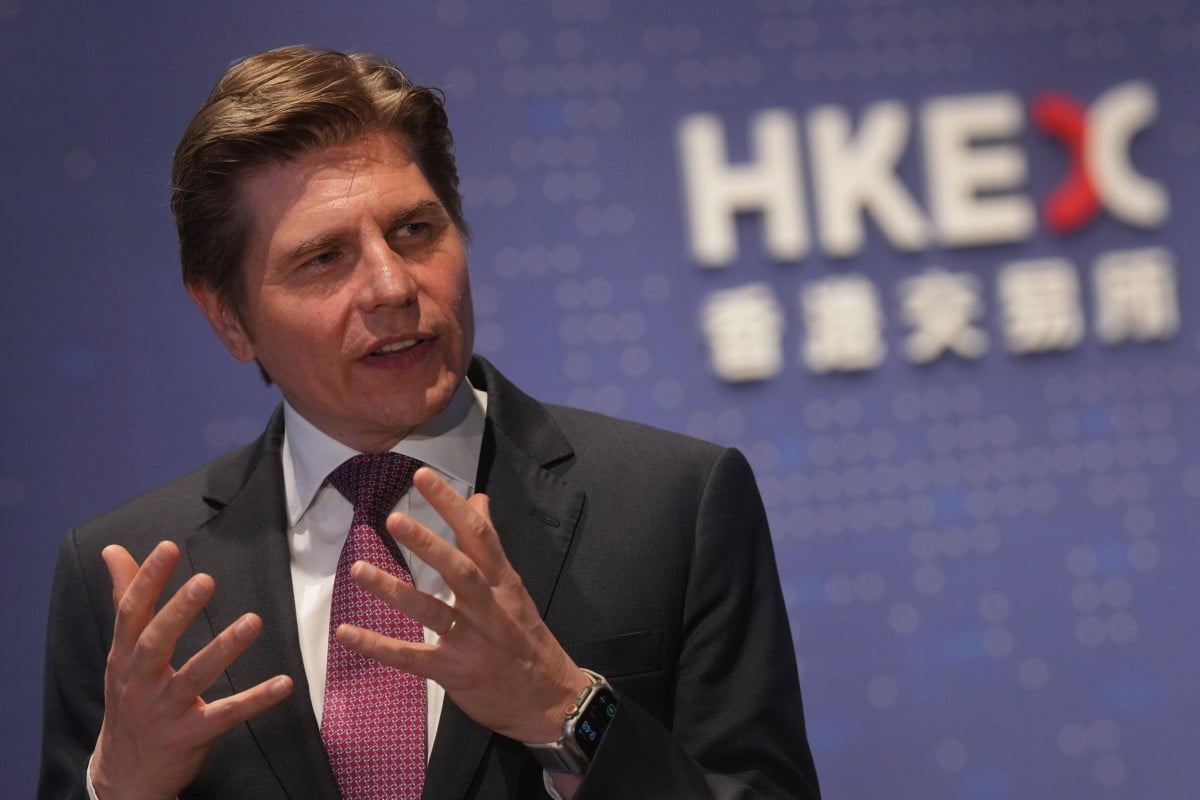
Hong Kong Exchanges and Clearing has announced that its new trading counter for shares denominated in yuan will be opened on 19 June. The market is part of the exchange's plan to make the Hong Kong dollar/yuan pair a major currency cross. More than 20 Hong Kong-listed companies, including Anta Sports Products, Kuaishou Technology and HKEX, have applied to trade yuan shares through the counters. Initially, market makers and Hong Kong and international investors will be able to trade, and it will be opened up to investors in the mainland later on.
Global shares reached a one-month high after a boost on Wall Street. The dollar made significant gains, resulting in the decline of other major currencies, including the euro. Hopes for a deal over the US debt ceiling that should manage to avoid a calamitous default were reflected in the markets. Investors will watch for signals across various markets today, including Federal Reserve interest rates, as the US government faces the threat of sliding into a recession and possible downgrading of Treasury debt.
Artificial intelligence (AI) investment is still thriving despite sharp drops in other tech sectors, due in part to San Francisco-based OpenAI and its chatbot ChatGPT, according to the Lex Newsletter. Open-source AI experimentation is expensive, which could result in tech giants such as Google dominating the sector. SoftBank's halt on investment shows that AI is not benefiting the rest of the US tech start-up scene, while Chinese ecommerce giant Alibaba has been slow to recognise the rising popularity of online sales via short-form video platforms.
Investors sold US equity funds worth $7.64bn net in the week to 17 May, marking a ninth straight week of outflows, according to Refinitiv Lipper data. The figure compared with the prior week's disposals of $5.64bn. Healthcare, financials and miners were the sectors seeing the largest outflows, shedding $572m, $528m and $314m respectively. By contrast, technology funds received inflows of $705m. Bond funds enjoyed combined net inflows of $554m, marking a third week of gains.
The outlook for interest rates is changing as financial markets revise their outlook for inflation. Investors who favour the safety of Government of Canada (GoC) bonds should keep an eye on GoC bond yields to follow rates on guaranteed investment certificates (GICs). The yield on the five-year Canada bond, which governs five-year GICs, jumped this week to 3.4% early Friday from 3% a week earlier due to the April inflation report from Statistics Canada. The year-over-year inflation rate in April edged up to 4.4% from 4.3% in March. It had been expected that inflation would be around 3% later this year and that rate cuts would start to happen around that time or in early 2024. Now, bets for a rate increase this summer are increasing. Bonds fell in price in response, so yields are up for government and corporate bonds. Expect GICs to follow if bond yields hold at recent levels. Short-term GIC rates are currently usually significantly lower than long-term rates, but markets see potential for near-term interest rates to rise and then fall back in the medium term as the economy slows, possibly lapsing into a recession.
Investors are choosing emerging market local currency bonds over dollar assets, as inflation drops and attractive yield rates are offered. From January to April, emerging market hard currency bond funds were hit with a net withdrawal of $2.65bn, while $5.23bn was invested in local currency bond funds. According to fund flow data provider EPFR Global, this year JPMorgan’s emerging market benchmark for local currency government bonds has delivered a 6.8% total return - more than three times its hard currency counterpart.
Fund managers and strategists have suggested that investors will look beyond the rebound in the US technology sector for longer-term returns, as the increased interest rates and an uncertain macroeconomic picture have the potential to impact on growth. The Nasdaq Composite has risen 21% this year, over double the 9% rise in the S&P 500, driven by impressive earnings and cost-cutting, reflecting expectations that the Federal Reserve's hiking cycle is in its final stages.
Australia should consider creating property trusts or businesses to centralise the rental housing market, according to new research by LongView and PEXA. The Australian property developers argue owning a portfolio of 100 homes rather than just one offers a sound investment strategy, as landlords’ fortunes are currently overly tied to capital gains and exposure to just one tenant's fortunes. However, current tax rules present a difficulty in pooling investors' property assets. The Australian housing and urban research institution also questioned the way low-interest rates had helped fuel a 109% rise in median house prices in Australia and highlighted the role of interest rates in depressing savvy property investment.
A strata title property that's been built entirely after May 2019 is required by law to have a designated area for food waste within the complex's waste management systems. Such a move is encouraged but not compulsory for older buildings, however, in South Australia $14.6m (£8m) "Bin Trim" grants will encourage households, businesses and all types of housing complexes to reduce food waste. Funds have been granted to businesses like supermarkets and cafes as well as apartment buildings to boost participation in compost programs, and provide equipment such as storage containers and caddies.
Investors are turning their attention to Japan, which is experiencing accelerating governance reform, strong economic momentum, and sustained inflation, leading some analysts to question whether “Japan’s Rising Sun” will finally live up to its promises. Foreign institutions have purchased the country’s Topix index, which has hit a fresh 33-year high, and the Bank of America has said the Topix could increase by a further 33% to exceed its previous peak.
The change is arguably the biggest practical and psychological shift in the Japanese economy in decades. After years of stagnation, wages are now increasing, and Japan is experiencing sustained inflation with core inflation running at 3.4% annually.
Several geopolitical factors, such as Japan’s hosting of the G7 summit, China-US decoupling, military tensions, bloc formation for a new cold war, and the country’s positioning as a stable and supply-chain friendly partner of the west, as well as its presence as the fourth-largest economy in the world, are contributing to investors’ renewed interest in the country.
Novo Nordisk's newly launched obesity drug, marketed as Wegovy, may help to decrease the risk of heart disease, according to research by the Mayo Clinic, which found that the risk of conditions including strokes and heart attacks could decrease to 6.3% from 7.6% after a year of taking the drug. The study was conducted among 93 patients and the results will form part of Novo's five-year SELECT study, which will examine the broader health impact of the drug, including heart disease.
Investor sentiment towards Japanese equities is shifting as its larger peers, the US and China, face growing headwinds. The Topix index has reached its highest level since 1990, driven by rising inflation, investment by domestic firms and Warren Buffett's endorsement. Experts predict that Japan could see further gains of between 10% and 15%. Investment divisions at Morgan Stanley, Man GLG and JPMorgan Asset Management all expect more upside, while EPFR data reveal that overseas funds have boosted stakeholdings in Japan this month, shifting $15.9bn in April alone.
Mykonos, the Greek island favoured by a coterie of billionaires, celebrities and influencers, has become the focus of a government crackdown on illegal construction carried out by deep-pocketed developers. The move comes after state archaeologist Manolis Psarros was left with a broken nose, multiple broken ribs and black eyes in a beating that sent shock waves across Greece. The attack took place after he reported building infractions on Mykonos, home to numerous ancient sites, including the nearby UNESCO World Heritage site on Delos that is a tourists' favourite.
While cash has remained attractive given the subdued performance of stocks and bonds, the risk of missing out on bigger gains elsewhere is growing. Investors staying with cash run the risk of losing out on the appeal of other opportunities beyond short-term gains. However, adjusting to longer-term funds may present attractive rewards despite interest income being only slightly above inflation. Reputable short-term government bonds and corporate bonds are also worth considering as alternative opportunities.
The Japanese stock market has rallied 14% in the Topix and 18% in the Nikkei 225 this year, with the country's indices among the best-performing national benchmarks in the world. Eddie Cheng of asset manager Allspring Global Investments has joined investors in being upbeat about Japan's rejuvenated stock market, saying he likes the country's low stock-index weightings to sectors that have been struggling globally, with bank valuations looking particularly attractive. However, Cheng added he is "much more cautious" in the medium term as Japan is economically sensitive to China, and its monetary policy is very different to that elsewhere, providing a gap that may disappear.
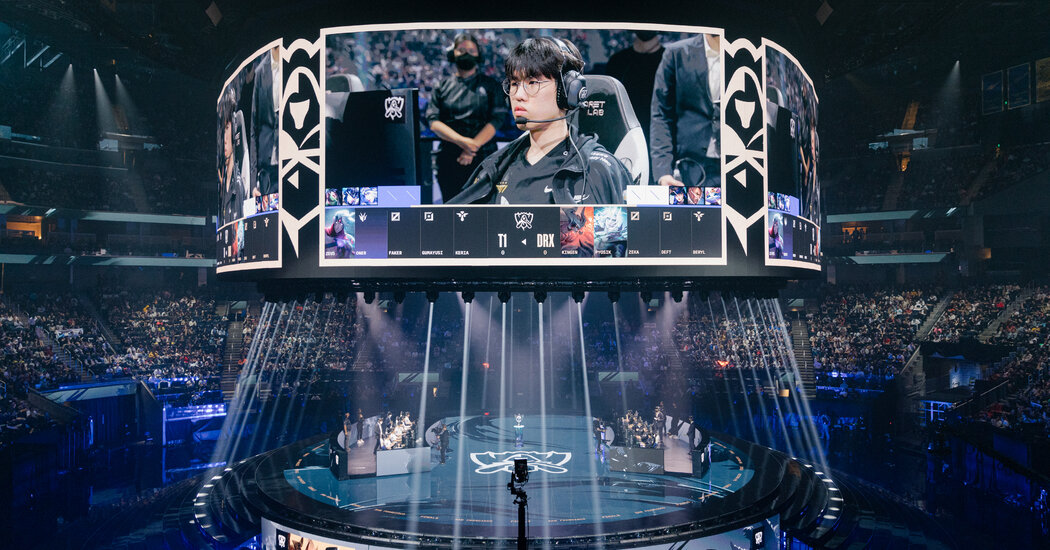
Interest in eSports in the US is declining as investors are pulling out and viewers are tuning out. The warning signs were there when Madison Square Garden owners failed to sell Counter Logic Gaming, and instead laid off many staff and merged what remained into another firm. Other groups are laying off staff and ending contracts with star players. Riot Games, developer of League of Legends and the organiser of the League Championship Series, which pits ten teams against each other in games being watched by millions, has generated billions, but the league has never been profitable, causing tension with investors. Last month, Riot admitted its missteps and sought to reassure investors. Some eSport groups are parting ways with many of their expensive League of Legends players, others are selling their teams at a loss.
BMW, Telefónica and BP are among the companies complaining that they face an “impossible task” when it comes to Europe’s new environmental reporting requirements. Finance directors have urged the European Commission to delay implementation and improve the guidance related to the European Union’s sustainable investment rules, known as the “taxonomy”. The firms said the system was unclear and burdensome, and provided little of value to investors. The taxonomy is meant to inform investors to direct funding towards sustainable activities.