Inflation (6do encyclopedia)


Inflation is a phenomenon that refers to the constant and steady increase in prices of goods and services over a period of time. It is usually measured as an annual percentage increase in consumer prices. Inflation can lead to economic instability and has huge impacts on financial and social systems.

Causes of inflation can be traced to several factors. One of them is the constant increase in the quantity of money in circulation relative to the supply of goods and services. For example, Central Banks may print more money to help finance government expenditures or loan to commercial banks, which in turn, makes more money available for lending to the public. These mechanisms increase the liquidity of the economy, which then fuels inflation.

Another cause of inflation is an increase in production costs. When the cost of production increases, companies increase the price of their products to maintain their profit margin. For example, when the cost of raw materials increases or there is an increase in wages, companies may choose to increase their prices.

Demand-pull inflation is another cause of inflation. This occurs when there is an increase in demand for goods and services that exceeds the supply. This makes it easy for companies to increase prices because consumers are willing to pay more.

Cost-push inflation is when there is an increase in the production costs of goods and services. This is usually caused by an increase in the cost of raw materials, wages, or taxes. This type of inflation is usually detrimental since it leads to a decline in economic growth and has a negative impact on employment rates.

There are also different types of inflation such as mild, rampant, hyperinflation, and deflation. Mild inflation is when the rate of inflation is low (less than 10%) and, though there is an increase in prices, it does not affect the national economy adversely. Rampant inflation, on the other hand, is when the rate of inflation is between 10% - 20% and it has a more significant impact on the economy. It can lead to a decrease in the value of money and affect the purchasing power of people.

Hyperinflation is when the rate of inflation is very high, usually more than 50% in a month, and it typically results from the irresponsible policies of central banks. This type of inflation is very detrimental as it causes severe economic upheavals, and can render most people penniless.

Deflation is the opposite of inflation. It happens when there is a slowdown in the overall level of prices for goods and services. This is usually caused by a decline in demand, over-investment, or a productive economy’s overgrowth. While deflation may appear beneficial to individuals initially, it can cause severe long-term economic problems, including economic stagnation and further disinflation.

Inflation can have several impacts on an economy. One of the major effects is that it reduces the purchasing power of individuals, which diminishes the value of their savings and retirement funds. It can also cause an increase in the cost of living, which may lead some individuals to default on their debt or obligations.

Businesses can also be affected negatively by inflation. For example, companies may need to increase wages to keep up with rising prices, which eventually leads to an increase in the production cost. This cost increase can force some companies to layoff employees to stay afloat and can reduce their profits.

Governments need to take proactive measures to control inflation to ensure stability in the economy. The most common measures employed by governments include Fiscal and Monetary policies. Fiscal policies are measures undertaken by the government to either raise revenue or cut the cost of spending. The government might cut spending, increase taxes, or reduce the supply of money in circulation. Monetary policies, on the other hand, relate to the policies set by the central bank. In monetary policies, the bank can increase the supply of money, decrease interest rates, or sell government securities to dampen the rise in inflation.

In conclusion, inflation is a phenomenon that can significantly impact an economy. It can cause a decline in the purchasing power of people, affect businesses’ profitability, and lead to economic instability. Governments must take proactive measures to control inflation to ensure stability in the economy. This involves setting effective monetary and fiscal policies, increasing productivity, and encouraging investment growth.


Disclaimer
6do Encyclopedia represents the inaugural AI-driven knowledge repository, and we cordially invite all community users to collaborate and contribute to the enhancement of its accuracy and completeness.
Should you identify any inaccuracies or discrepancies, we respectfully request that you promptly bring these to our attention. Furthermore, you are encouraged to engage in dialogue with the 6do AI chatbot for clarifications.
Please be advised that when utilizing the resources provided by 6do Encyclopedia, users must exercise due care and diligence with respect to the information contained therein. We expressly disclaim any and all legal liabilities arising from the use of such content.

Fed's Barkin not yet convinced inflation heading steadily lower

Reuters

23-05-15 21:21


Richmond Federal Reserve President Thomas Barkin has said he is unsure whether US inflation will decline to the central bank's 2% target or if there are enough measures in place to ensure it gets there. Barkin has an open mind about whether the Fed should raise the benchmark policy rate for an 11th time at its June meeting or leave it currently. Even though data implies the economy is cooling, Barkin is not convinced further rate increases are necessary and believes influential data on jobs, prices and credit is yet to come. Barkin also warned he is "still seeing data that suggests a hot job market and enduring inflation".

https://www.reuters.com/markets/us/feds-barkin-not-yet-convinced-inflation-is-steady-path-down-2023-05-15/
Food prices double in the UK, data shows

The Independent

23-05-16 03:12


Some food items in the UK have doubled in price since last year, according to data from Which? Among the products that have risen in cost are frankfurters, cheddar cheese, vegetables, yoghurt, salmon, onions, and cottage cheese. While there has been a slight easing of inflation in some areas of the economy over April, food prices have remained at "shockingly high levels," said Which's head of food policy, Sue Davies. Health campaigners say that the continuing increase in food prices is exacerbating food poverty, particularly among children.

https://www.independent.co.uk/news/uk/home-news/uk-inflation-food-prices-cost-of-living-b2339500.html
ECB to hike twice more and more could come as inflation stays hot: Reuters poll

Reuters

23-05-16 02:11


The European Central Bank (ECB) will increase interest rates by 25 basis points at two consecutive meetings, according to a poll of economists by Reuters. In May, the ECB raised its deposit rate by 25 basis points. All of the 62 economists polled predicted an increase of a quarter percentage point to 3.50% next month. Just one forecast a cut of 25 basis points. The median predicted rate was 3.75% until at least next April, although five respondents expected a hike to 4.00% in September. Harper Petersen, a senior economist at Berenberg, warned there was a “risk of over-tightening” by the ECB.

https://www.reuters.com/markets/rates-bonds/ecb-hike-twice-more-more-could-come-inflation-stays-hot-2023-05-16/
Australia's c.bank hiked in May due to inflation risks, more raises may be required

Reuters

23-05-16 01:41


The Reserve Bank of Australia (RBA) is considering further rate hikes due to inflation risks caused by weak productivity growth and greater-than-expected rental increases. The RBA still plans to hike rates despite the risks, according to minutes from the board's May meeting. Governor Philip Lowe warned that the central bank could not afford to wait too long to tackle inflation.

https://www.reuters.com/markets/rates-bonds/australias-cbank-hiked-may-due-inflation-risks-more-raises-may-be-required-2023-05-16/
Amid recession risks, is it time to invest in gold?

The Sydney Morning Herald

23-05-16 01:23


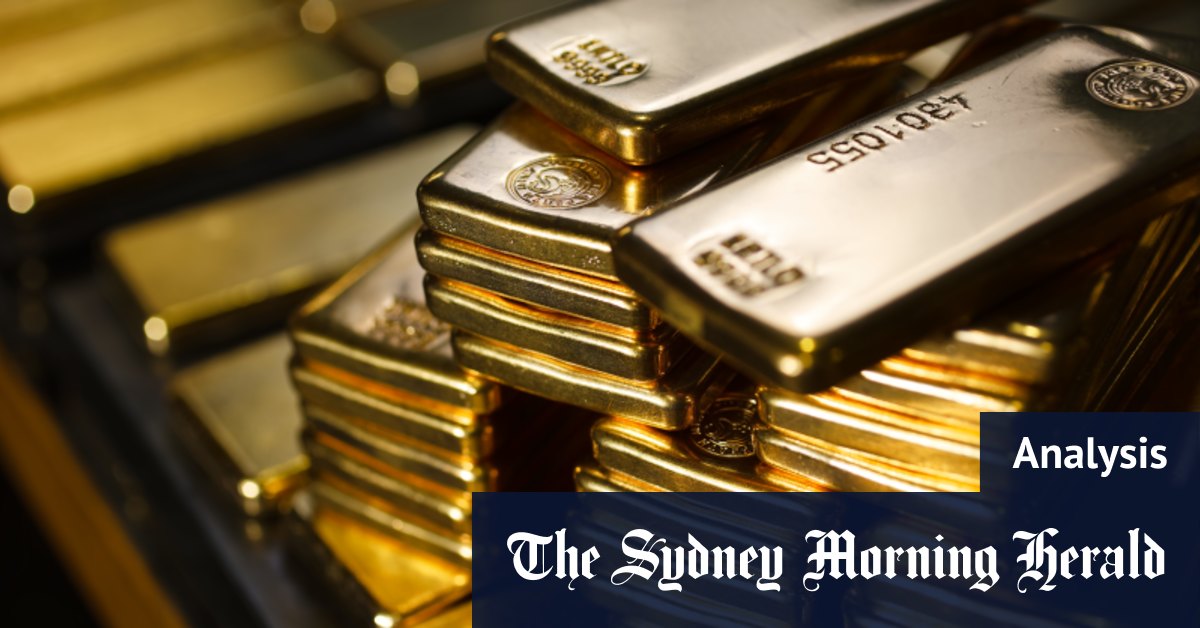
The rise in gold prices makes it an attractive option for investors as a hedge against a looming global recession spurred on by aggressive US Federal Reserve rate rises. Gold has outperformed US equities by 23% on average, in the last three recessions since 2000, following which it rose around 30% as a profitable defensive asset during stagflationary times. Central banks' purchases of gold have also been on the rise, thanks to import restrictions and trade war concerns that require diversification away from holding the US dollar.

https://www.smh.com.au/money/investing/amid-recession-risks-is-it-time-to-invest-in-gold-20230516-p5d8nq.html
Statistics Canada to release April reading for inflation

The Toronto Star

23-05-16 08:00


Statistics Canada is set to release its consumer price index for April, with inflation having slowed down in recent months from a high of 8.1% last year. The Bank of Canada predicts the annual inflation rate will fall to around 3% in the near future, however, it is expected to take longer for inflation to return to the central bank's two percent target.

https://www.thestar.com/business/2023/05/16/statistics-canada-to-release-april-reading-for-inflation.html
UK wage growth shows little sign of easing

Financial Times

23-05-16 07:19


UK wage growth remained strong in the three months to March, with private sector earnings excluding bonuses 7% higher than a year earlier, according to the Office for National Statistics. However, the report also showed that inflation is weighing on the jobs market, with the unemployment rate up 0.1 percentage points to 3.9% as people who had previously chosen not to work returned to job-seeking.

https://www.ft.com/content/81e7f163-a7f2-4f4a-a9e9-c23b9989e3ca
Live Markets Public sector pay grows at fastest rate in 20 years - latest updates

Telegraph

23-05-16 07:14


Public sector pay grew by 5.6% in Q1 2023, according to the Office for National Statistics, reaching its highest level since 2003, as more public sector workers demanded pay rises consistent with the 10.1% rate of inflation. The Bank of England fears that wages rising is fuelling inflation. Private sector pay grew by 7% over the same period, with average pay including bonuses falling 3% after taking inflation into account in the year to January-March, or 2% excluding bonuses. According to the Office for National Statistics, 556,000 working days were lost due to strikes in March, up from 332,000 in February. Policymakers are encouraging the public to accept that they are "worse off" due to inflation that has significantly outpaced wage growth.

https://www.telegraph.co.uk/business/2023/05/16/ftse-100-markets-live-news-ons-inflation/
UK bakers Greggs sees more growth as shoppers seek value

Reuters

23-05-16 06:35


UK bakery chain Greggs has reported robust sales and expected its value propositions, as well as new products including Mexican Chicken-Free Bake and chicken goujons, to spur growth this year. Greggs expects to grow profit by around 10% this year, despite pressures on household budgets from inflation. The chain operates from 2,300 outlets in Britain. Analysists anticipate Greggs will report pre-tax profit of around £163m ($206m) for 2023. Last year, Greggs' profit margins were impacted by rising ingredients prices and energy costs.

https://www.reuters.com/business/retail-consumer/uk-bakers-greggs-sees-more-growth-shoppers-seek-value-2023-05-16/
China recovery faces pressure after April activity weak, youth unemployment rises

Associated Press

23-05-16 06:03


China's leaders are under pressure to boost the economic recovery and create jobs after weak retail sales in April and a survey that found one in five young city workers were unemployed. Sales in April rose 18.4% compared with the same month a year ago, but that was below the expected rate of 35%. Meanwhile, factory output edged down compared with March. Since the end of anti-virus restrictions in December, Chinese economic activity has improved while the US and Europe are experiencing a cooling as a result of interest rate hikes.

https://apnews.com/article/china-economy-export-1c99e06f41260c5c56156fb5c0ea3626
Canada's annual inflation rate rises to 4.4% in April

Reuters

23-05-16 12:54


Canada's annual inflation rate rose to 4.4% in April, higher than the expected 4.1%, due to increased shelter costs. The consumer price index was up 0.7% month-over-month, also higher than predictions. However, grocery prices rose at a slower pace in April than they did in March, thanks to a smaller increase in fresh vegetable, coffee, and tea prices. Higher rent and mortgage interest costs contributed the most to the annual inflation rate in April, with the increased interest rate environment potentially stimulating demand for rentals and contributing to higher rents. The Bank of Canada has kept rates unchanged but has said it is ready to hike them further if necessary.

https://www.reuters.com/world/americas/canadas-annual-inflation-rate-rises-44-april-2023-05-16/
Clarkson’s Farm stars visit Downing Street for food summit

Telegraph

23-05-16 12:38


Kaleb Cooper and Charlie Ireland, who feature in the Amazon Prime series Clarkson’s Farm, attended a food summit at Downing Street aimed at addressing growing concerns over prices of food in supermarkets and shoring up Britain’s supply chain. Industry leaders will also discuss ways to bolster Britain's self-sufficiency at the summit, part of efforts to reduce a chronic reliance on imports from abroad to meet food needs. Last week, the Bank of England warned that the weekly shop would keep rising for "longer than we previously thought."

https://www.telegraph.co.uk/business/2023/05/16/clarksons-kaleb-cooper-charlie-ireland-downing-street/
‘Great unretirement’ gathers pace as almost 100,000 return to work

Telegraph

23-05-16 11:46


Nearly 100k people who had retired early returned to work in the 12 months prior to March 2022, according to the UK's Office for National Statistics. The unexpected reversal of the pandemic-induced rise in early retirement was apparently driven by inflation, which forced people back into work. The shift was a response to "the cost of living crisis" and was expected to "continue" in the coming months, said Samuel Tombs, chief UK economist at Pantheon Macroeconomics.

https://www.telegraph.co.uk/business/2023/05/16/early-retirement-gathers-pace-100000-return-to-work/
Powell's legacy tested by inflation, bank crisis, new Fed dynamics

Reuters

23-05-16 10:15


US Federal Reserve Chair, Jerome Powell, is facing a critical time, with a fight against inflation, recession worry and an increased criticism of the Fed's oversight of the financial sector. Biden's nomination of a new vice-chair for the central bank may be viewed as a vote of confidence in Powell, but there is no doubt that it poses a test of his stewardship as he navigates the direction of interest rates, the lowest public approval rating of any recent Fed chief thus far, and an unusual call for an external review of Fed supervision. If Powell does his job well, he may be remembered as the Fed leader who tamed inflation without a recession and kept a stressed financial system intact, but if he hypothetically loses control of the situation, he may have to resort to punishing rate hikes to regain it. Powell and his colleagues are trying to curb inflation without causing a recession and increased unemployment heading into a presidential election.

https://www.reuters.com/markets/us/powells-legacy-tested-by-inflation-bank-crisis-new-fed-dynamics-2023-05-16/
European stocks stumble as rate concerns return

Financial Times

23-05-16 09:20


European stocks fell at the start of trading on 18 May after the European Commission raised its EU-wide consumer price inflation forecast to 6.7% for this year, higher than previous estimates of 6.4%, adding to fears that interest rates will remain high. The eurozone economy is also expected to have stagnated at 1.3% year on year in first quarter 2023, according to Reuters. A host of investor caution will be exacerbated by the release of US retail sales data for April, as emerging markets continue to struggle amid a paradigm shift in global markets.

https://www.ft.com/content/e0702827-c666-454e-95d4-56ba01001166
Petrobras fuel price cuts should lower Brazil inflation, rates, minister says

Reuters

23-05-16 16:22


Brazil's state-run oil company Petrobras is cutting refinery gate prices for diesel and gasoline by an average of 16%, which should help curb inflation and allow the central bank to lower interest rates. The petrol price cut is expected to reduce the official inflation index by 0.28 percentage points in May and June, while JPMorgan economists have revised their year-end inflation forecast down to 5.4% from 5.5% as a result of the price cuts. Brazilian President Luiz Inacio Lula da Silva has been urging the central bank to cut rates from a six-year high of 13.75%.

https://www.reuters.com/business/energy/petrobras-fuel-price-cuts-should-lower-brazil-inflation-rates-minister-says-2023-05-16/
Fed's Barkin: 'Comfortable' with more hikes if needed - Bloomberg TV

Reuters

23-05-16 16:00


Thomas Barkin, president of the Federal Reserve Bank of Richmond, has said he isn't opposed to the Fed raising interest rates again if inflation doesn't show signs of slowing. While some interpreted recent guidance from the Fed as preparing for a pause in a series of interest rate hikes, Barkin instead described the stance as "one of optionality...not one of a pause or a peak". He said he needed to learn about the impact of earlier rate hikes and be sure that inflation was trending lower before seriously considering another hike.

https://www.reuters.com/markets/us/feds-barkin-comfortable-with-more-hikes-if-needed-bloomberg-tv-2023-05-16/
Philippine c.bank to hold rates at 6.25% in May after nine straight increases - Reuters poll

Reuters

23-05-16 15:28


The Philippines central bank is expected to keep its key interest rate at 6.25% indefinitely as inflation cools, marking the end of its year-long tightening cycle, according to a Reuters poll. Inflation hit a peak of 8.7% in January and has since moderated, hitting 6.6% in April, but remains above the central bank's target range of 2%-4%. However, last month Bangko Sentral ng Pilipinas Governor Felipe Medalla signalled that decreasing inflation rates gave the central bank every argument for not changing interest rates at the May meeting.

https://www.reuters.com/markets/asia/philippine-cbank-hold-rates-625-may-after-nine-straight-increases-2023-05-16/
Rent, mortgage interest helped drive inflation higher in April: Statistics Canada

The Toronto Star

23-05-16 15:18


Statistics Canada has revealed that the first increase in annual inflation since the middle of last year was due, in part, to higher mortgage interest costs and increased rent prices. Mortgage interest costs rose by 28.5% YoY in April, resulting from the Bank of Canada's attempts to raise rates quickly, while inflation for rent was 6.1%, up from 5.3% in the same month last year.

https://www.thestar.com/business/2023/05/16/rent-mortgage-interest-helped-drive-inflation-higher-in-april-statistics-canada.html