Ambassador Rahm Emanuel, the US envoy to Japan, said Micron Technology's deal with Japan for financial aid to produce next-gen memory chips, has set a precedent for countering Beijing's "coercion", and shows that Japan and the US will act in unison to help secure supply chains from being targeted by China's coercion. The financial aid from Japan is reportedly worth around $1.5bn. China rejected those claims and accused the US of starting trade wars and bullying nations. Emanuel cited examples of China trying to intimidate companies, including US consultancy Bain & Company, Micron and Mintz Group. Discussions on how to respond to China's growing influence will feature at G7.
Hong Kong stocks, including Alibaba, Tencent Holdings, and Baidu, fell following disappointing revenue growth of 2% for the fourth quarter at Alibaba, and concerns that China's post-Covid recovery is losing momentum. The Hang Seng Index slumped by 0.9%, with the Tech Index falling by 1.8%. While the Shanghai Composite Index was little changed. Goldman Sachs warned that rising government debt levels would limit China's ability to roll out additional pro-growth policies through fiscal policy. Major Asian markets were trading higher, however, with Japan's Nikkei 225 up by 1% and South Korea's Kospi rising 0.7%.
Russian billionaires Vladimir Potanin and Vagit Alekperov have submitted bids to buy a controlling stake in Yandex's Russian business for as much as $7.2bn. The stake in the local business would represent at least 51% of the business and would see it change hands with potential national security implications. However, the Kremlin will need to approve any sale. Additionally, Yandex has been faced with international difficulties following Moscow's intervention in Ukraine, and has been working to balance the interests of domestic pressures with Western investors.
WNBA players are heading abroad to supplement their salaries, which are far less than what they would get paid competing in Europe and elsewhere around the world. Before the pandemic, players could earn between $50,000 and $200,000 per month to compete in China for four months. In Turkey, women can expect to earn between $350,000 and $400,000. According to Al Jazeera, highly paid WNBA players have reportedly hauled in over $1m, with Russia typically offering the most lucrative contracts. Brittney Griner, a two-time Olympic gold medallist, was detained at Moscow’s airport in February 2022 while en route to play for local team UMMC Ekaterinburg and, following her detention and release, has said she would not consider playing overseas again. US WNBA players are paid a smaller percentage of league revenues compared with male NBA counterparts. The average salary among the 151 WNBA athletes was $102,751 in 2022.
However, WNBA Commissioner Cathy Engelbert says that the league is committed to improving players’ salaries through league-affiliated marketing and other opportunities.
Investors should look beyond a stumbling Chinese economy and take advantage of opportunities in retail and travel services, according to Tiffany Hsiao from Artisan Partners Asset Management. The rebound in China's economy looks to have been hit by the re-emergence of Covid, with consumer retail stocks leading the way down, and some are "completely overlooked", Hsiao said. She's more interested in platform advertising stocks, such as Focus Media Information Technology, and travel shares, arguing that Chinese consumers don't immediately jump back into discretionary spending as quickly as their American counterparts. Hsiao looks at alternative data to guide her decisions, including foot traffic in China's main cities, which suggests the economy is "recovering just fine".
The Shanghai Stock Exchange has proposed plans to increase the valuation of Chinese state-backed banks, which are currently discounted by around 36% to their book value. The exchange's General Manager, Cai Jianchun, outlined the plans to executives at a recent meeting, which included the suggestion of businesses holding more investor relations events and the development of index-based fund products. China's banking sector remains one of the most distressed industry groups. Despite a 5.3% gain for 43 banks on the exchange, and a 16% climb in the shares of China's largest listed banking organisations this year, ICBC is trading at 44% below its net asset value.
Florida Governor Ron DeSantis is going to be a presidential candidate for the US Republican Party and will formally announce his campaign against Donald Trump next week. DeSantis is confident, with strong financial support and more $80m expected to be transferred from his state account to his Super PAC, which has already raised more than $30m, focusing on his legislative accomplishments. However, he was dealt another blow this week after Disney scrapped plans to build a $1bn office complex in Orlando that was expected to bring more than 2,000 jobs with an average salary of $120,000. Sources say Disney’s feud with Mr. DeSantis, which had escalated into a bitter fight over control of the entity that oversees Disney World, played a major factor. The Fox News commentator Dagen McDowell said on Thursday, “Ron DeSantis does not have an economic plan as of yet, and today Disney just pulled a $1 billion investment out of Florida.”
Leading seed manufacturer Syngenta Group is hoping to raise $9.3bn in its initial public offering. The Swiss-headquartered company, owned by Chinese concern Sinochem Holdings, will sell up to 2.78 billion shares on the main board of the Shanghai stock exchange. Syngenta withdrew its earlier application to float on the Star board. The company aims to channel funds raised toward research into high-end agricultural technology, acquisitions, debt repayment and business expansion and upgrades.
Germany's Dax index reached a record intraday high last Friday, rising 0.9% to surpass 16,320 and become Europe’s second-best-performing main equity market this year. Strong corporate earnings have spurred investor confidence, allowing companies such as Adidas and Siemens to rise nearly a quarter this year despite concerns over the economy. The Dax has returned 17.2% YTD, not far behind France's Cac 40 at 18% but well ahead of the FTSE 100’s 6.2% return and the S&P 500's 10%. The strong earnings have been credited with spurring optimism among investors towards European equities.
Federal Reserve officials are growing skeptical about suspending rate hikes
CNN
23-05-19 20:08
Some US Federal Reserve officials are debating whether to raise interest rates again in June to curb inflation, while others argue the economy is not yet overheating and a pause might be more appropriate. Chicago Federal Reserve President Austan Goolsbee said “we need to take that [tightening credit conditions] into account and the only way to do that is sit and watch it.” However, other policymakers are concerned there is still too much liquidity in the market, which could drive inflation higher. The Federal Reserve launched its most aggressive rate-hiking campaign since the 1980s to battle inflation in 2022.
The Democratic Republic of Congo's president Felix Tshisekedi will travel to China from 24 May to 29 May. The two nations are seeking to conclude a renegotiation of a $6.2bn mineral-for-infrastructure deal. Congo is a key producer of cobalt, which is vital in electric vehicle batteries. Tshisekedi has previously suggested the agreement was "badly drawn up" and not beneficial. Tshisekedi will head to Beijing, Shanghai and Shenzhen, meeting officials including China's President Xi Jinping and representatives of energy, mining, battery and tech companies. China and Congo conducted $21.7bn in trade in 2022.
The development of militarized artificial intelligence (AI) is the next international arms race, with politicians "in the loop" as a final decision, according to The New York Times. The paper suggests such militarization of AI will lead to potential conflicts based on flawed algorithms rather than human judgement. A possible international moratorium on AI militarization would solve the issue of unmanned machines controlling and directing military operations, but this outcome seems unlikely, even in the face of pressure from the international campaign to Stop Killer Robots.
Investor sentiment towards Japanese equities is shifting as its larger peers, the US and China, face growing headwinds. The Topix index has reached its highest level since 1990, driven by rising inflation, investment by domestic firms and Warren Buffett's endorsement. Experts predict that Japan could see further gains of between 10% and 15%. Investment divisions at Morgan Stanley, Man GLG and JPMorgan Asset Management all expect more upside, while EPFR data reveal that overseas funds have boosted stakeholdings in Japan this month, shifting $15.9bn in April alone.
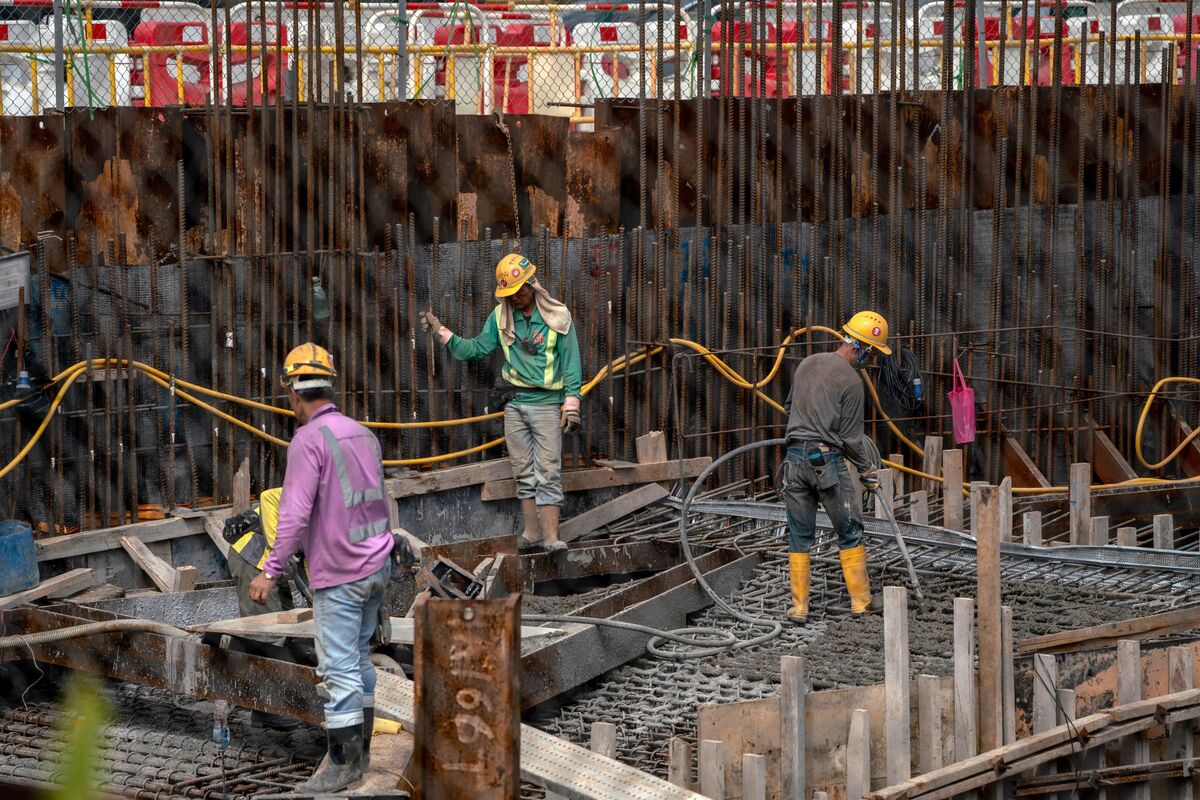
Hong Kong has introduced preventative guidelines aimed at protecting vulnerable workers from heatstroke on rising temperatures. The measures suggest the length and timing of breaks to be taken according to the index of heat, potentially affecting up to three million hours of annual construction work under the guidelines in the long term. The Hong Kong Observatory believes it is highly likely 2018 will rank in the city's top 10 warmest years. Similar rules are in place in Singapore, where construction contracts are set to be impacted by rising costs, but are less detailed than the Hong Kong guidelines.
Miniso, the Chinese retailer specialising in a wide range of household goods, toys and electronics, reported a surge in North American sales for Q1 this year, driven by the strong performance of its US stores, and has announced plans to have more than 100 stores in the US by the end of 2021. The company has also geared up its overseas expansion and has cited ambitions to become a “global super brand”. To achieve this, it said it wants 70% of its business to come from overseas by 2028, up from around 30% in the latest quarter.
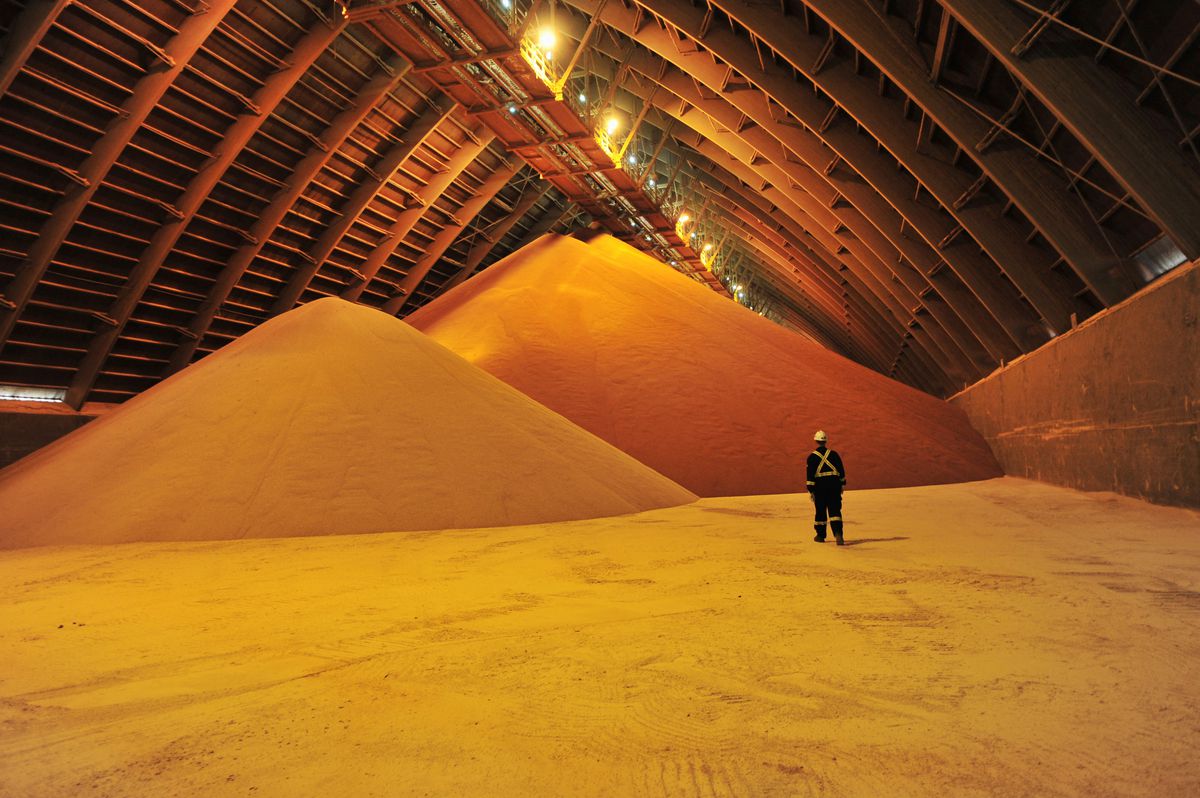
Potash producer Nutrien has reflected the uncertainty of the current investing climate in a volatile performance over the past three years. Beginning in 2020, its share price dropped when Covid-19 shook markets, then almost immediately recovered. It received another boost when sanctions were put on Russian potash producers after the invasion of Ukraine, but values have since dropped. Analysts are uncertain of the company’s future given geopolitical tensions and falling agricultural prices, but long-term investors may view Nutrien as offering potential value and dividends, and be attracted to its historically low enterprise valuations.
The post-pandemic ghost town scenario of New York and other major cities is set to continue after agents said that companies were subletting large amounts of their office space in a bid to reduce their footprints and slash costs. New York has 22.7 million sq ft of sublet space, most of which is occupied by tech and media firms. Many employees are still reluctant to attend the office regularly and this is causing a slump in central city footfall; New York, for example, is losing $4,661 (£3,410) per worker annually, according to Bloomberg. JB Morgan has told its bankers to return for at least five days a week or face sanctions, while Blackrock requires staff to attend for at least four days a week.
Several countries across the Middle East have reportedly moved away from the US dollar in reaction to ongoing dollar rationing strategies set in place by the United States. As previously reported, on 15 May 2021 Iraq band all business deals and exchanges of the dollar with Iran, and underlining an existing case where the nation’s authorities made it more difficult for individuals to obtain dollars as the US had revealed increasing concerns that much of its currency was being smuggled to Iran, which is under sanctions. This extreme measure against the dollar has since highlighted a trend in the Middle East where the continuous slowing of the currency’s value has led Saudi Arabia's finance minister to state it is “open” to pricing oil sales using different currencies, including the Chinese yuan and the euro. Similarly, in February this year, Iraq confirmed its intention to conduct business with China using yuan, instead of dollars.
As heatwaves scorch Asia, Russia is benefiting from the resulting increase in demand for energy. States across Asia are increasing their import of Russian fuel, as coal, gas and fuel oil are required to continue power production. Asian demand for Russian energy has grown significantly this year, according to Kpler. Coal volumes rocketed by a third in April to 7.46m tons from April 2018, while shipments of liquefied natural gas to Asia increased due to reduced prices, after prices hit historic highs, and poorer nations could not afford the fuel. Meanwhile, Kpler’s figures found Asian imports of Russian fuel oil – a cheaper power-generation alternative – had the two highest months on record in March and April.
Extreme heatwaves in South Asia have prompted an uptick in Russian energy sales, replacing energy being shunned by the West. Originally motivated by the Kremlin to support its invasion of Ukraine, Russia's thermal coal, natural gas and (in particular, dirtier and cheaper) fuel oil have become increasingly attractive with rising temperatures hitting countries' power generators amidst an emerging El Niño weather pattern, which increases the need for coal, oil and gas. Prices for LNG fell, allowing poorer nations to increase their imports, and the Middle East has also hiked its Russian oil imports.